Fall Allergies in Lafayette Pets: Causes, Symptoms, and Relief
Is your dog or cat scratching more than usual, sneezing, or just not feeling their best as the leaves begin to change here in Lafayette? Fall allergies are a common problem for many pets in our warm, humid Louisiana climate. As the seasons shift, pollen, mold, and other allergens can make life uncomfortable for your four-legged family members. At Carson Animal Hospital, located at 6701 Johnston St, Lafayette, LA 70503, our veterinarians see a rise in allergy-related concerns every autumn. In this blog, we will help you recognize the signs of fall allergies in dogs and cats, explain the underlying causes specific to the Acadiana region, outline treatment and management options, and share practical tips to keep your pets comfortable. If you are worried about your pet’s itching or sneezing, our team is here to guide you through the process of relief and recovery.
Recognizing Fall Allergy Symptoms in Dogs and Cats
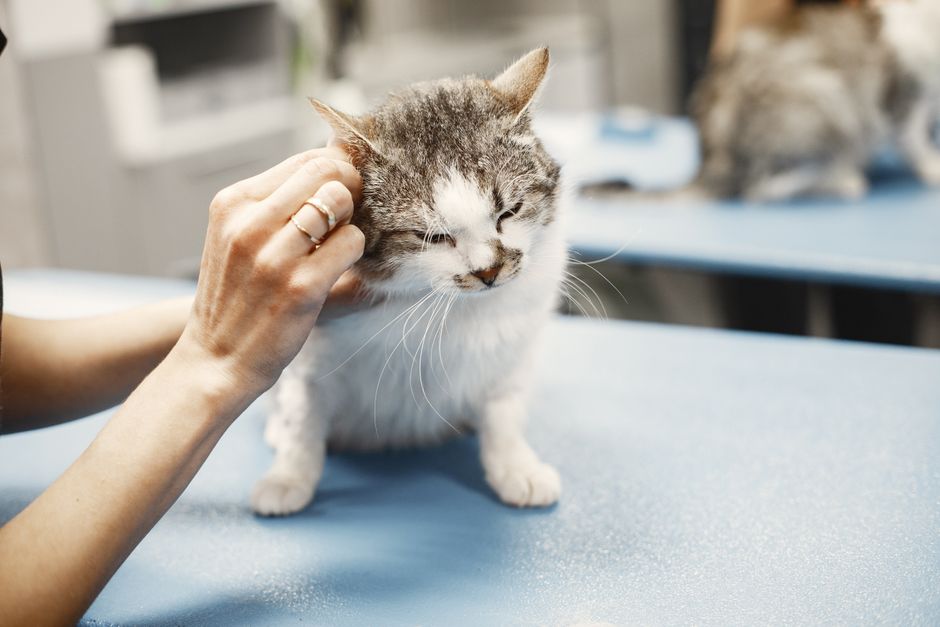
Spotting the signs of seasonal allergies early can make a big difference for your pet’s comfort and health. Fall allergies in Lafayette often show up as itchy skin, frequent licking or chewing at the paws, red or inflamed ears, watery eyes, and sneezing. You might notice your dog scratching their sides or belly more often, or see your cat grooming excessively and developing small bald patches. Other signs include ear infections that seem to return with the change of season, a musty odor to the coat, or skin that feels oily or scabby to the touch.
Respiratory symptoms can also occur, especially in sensitive pets. These may include reverse sneezing, persistent nasal discharge, or noisy breathing. For some pets, gastrointestinal upset such as vomiting or diarrhea can be linked to allergies, although this is less common. If your pet’s symptoms linger or seem to worsen each fall, allergies may be the underlying issue.
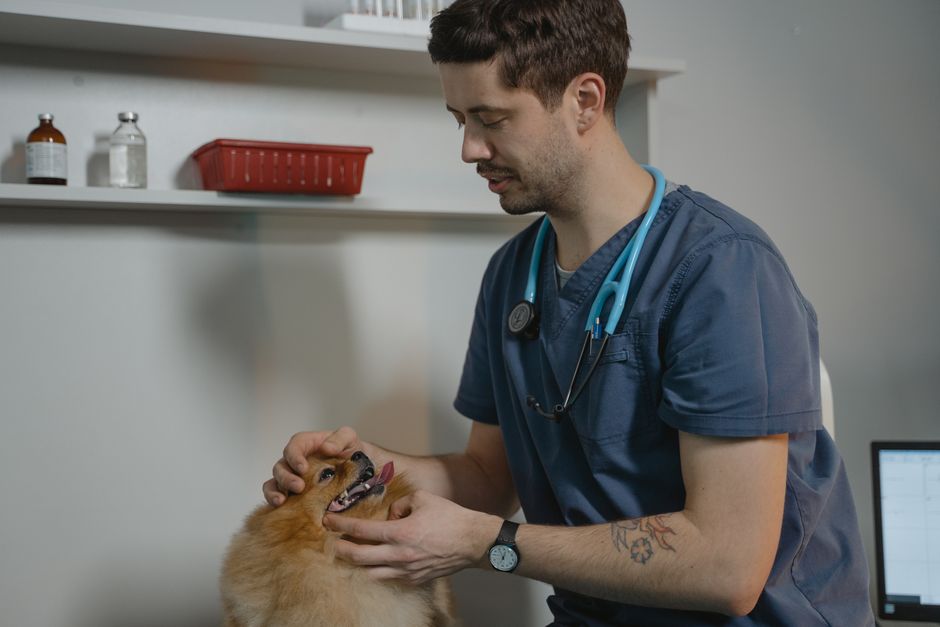
Understanding these patterns helps you know when it is time to reach out for professional advice. At Carson Animal Hospital, our comprehensive pet exams are designed to uncover the root cause of symptoms and provide relief for your dog or cat.
What Causes Fall Allergies in Lafayette Pets?
The unique climate of Lafayette and the surrounding communities creates a perfect storm for fall allergies. As temperatures cool slightly but humidity remains high, certain plants such as ragweed, goldenrod, and various grasses release pollen into the air. Mold spores thrive in damp leaf litter and decaying vegetation, which are abundant in local yards and parks during autumn.
Common causes of fall allergies include environmental allergens like pollen, mold, and dust mites. Pets can also react to fleas, especially if flea populations spike in warm, moist conditions. In some cases, seasonal changes in indoor air quality—like increased dust from turning on the heater for the first time—can contribute to symptoms. Dogs and cats that spend time outdoors may pick up allergens on their coats and paws, bringing them inside and increasing exposure.
In addition to inhaled allergens, some pets experience flare-ups of food sensitivities during the fall due to changes in diet or treats associated with the season. Recognizing these potential triggers is the first step in creating an effective allergy management plan for your pet.
How Our Veterinarians Diagnose Allergies
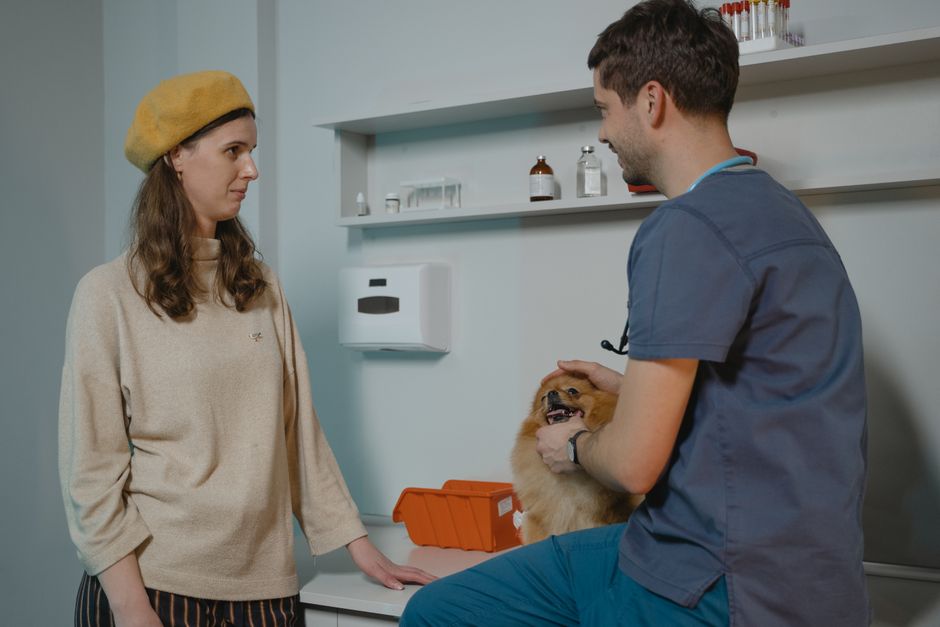
When you bring your dog or cat to Carson Animal Hospital with possible fall allergy symptoms, our veterinarians begin with a thorough history and physical exam. We ask about recent changes in your pet’s environment, diet, and daily routines. The process involves identifying patterns—such as symptoms that flare up after walks in certain areas or after heavy rain.
We use diagnostic tools to rule out other causes of itching and discomfort, including skin infections, parasites, and underlying medical conditions. Testing for external parasites like fleas, evaluating for skin infections, and sometimes running bloodwork help clarify the picture. In some cases, we may recommend specific allergy testing or food elimination trials to pinpoint the cause.
It is important to remember that allergies can mimic other medical issues. For example, heartworm disease may cause symptoms similar to allergies, such as coughing or fatigue. If your pet is due for a screening, our heartworm testing and treatment services are available to support an accurate diagnosis.
Treatment and Relief for Fall Allergies
Helping your pet feel better starts with reducing exposure to allergens whenever possible. Bathing your dog regularly with a gentle, veterinarian-approved shampoo can wash away pollen and mold spores. Wiping your pet’s paws after walks, keeping bedding clean, and using air purifiers indoors may also provide relief.
When home care is not enough, our veterinarians offer a range of treatments to control symptoms and restore comfort. Treatment approaches often involve antihistamines, prescription oral or injectable medications to reduce inflammation, medicated shampoos, and topical sprays. In some cases, allergy-specific immunotherapy may be discussed if symptoms are severe or year-round.
For pets with secondary infections from scratching or chewing, we may prescribe antibiotics or antifungal medications. Ear infections are treated with ear cleansers and appropriate drops. Our veterinary team will create a plan tailored to your pet’s needs, considering any existing health issues and lifestyle factors.
We also discuss long-term management, which may include regular check-ups during allergy season, monitoring for flare-ups, and adjusting treatment as needed to keep your dog or cat comfortable throughout the autumn months.
Home Care Tips to Prevent and Manage Fall Allergies
Simple changes at home can make a big difference in your pet’s allergy symptoms. Regularly vacuuming carpets, washing pet bedding in hot water, and keeping windows closed on high pollen days are helpful strategies. After outdoor play, wiping down your pet’s coat and paws removes lingering allergens. Bathing once or twice a month with a gentle cleanser can soothe irritated skin and remove pollen buildup.
Maintaining year-round parasite prevention is crucial, since flea bites can trigger or worsen allergy symptoms. Discussing the best flea control options for your pet’s lifestyle is a key part of our wellness plans. For cats, providing scratching posts and safe indoor environments helps reduce exposure to outdoor allergens.
Feeding a high-quality, balanced diet supports overall skin and coat health, making your pet more resilient to environmental triggers. If you suspect certain treats or foods may be causing problems, talk with our veterinarians about safe alternatives.
For more guidance on keeping your pet healthy and comfortable in every season, consider scheduling a wellness and preventive care exam with our veterinary team.
When to Contact Carson Animal Hospital
While mild symptoms can sometimes be managed at home, there are times when professional help is needed. Warning signs that require veterinary attention include persistent itching that disrupts sleep, hair loss, skin redness, open sores, repeated head shaking, or signs of pain. If your pet develops difficulty breathing, swelling of the face, or sudden lethargy, seek veterinary care right away. These can indicate a severe allergic reaction or another underlying condition.
Persistent symptoms that do not improve with basic home care should also prompt a visit. Our veterinarians have the tools and expertise to provide lasting relief and prevent complications like skin infections or chronic ear problems.
At Carson Animal Hospital, we are committed to supporting pet owners in Lafayette and the surrounding communities through every season. Whether your dog is scratching nonstop or your cat seems uncomfortable this fall, our experienced veterinary professionals are here to help you find answers and solutions.
Your Local Partner in Pet Health This Fall
Fall allergies can make life challenging for both pets and their families. Recognizing symptoms early, understanding local triggers, and working with a trusted veterinary team are the keys to relief and prevention. If you are searching for a "vet near me" in Lafayette who understands the unique challenges of fall allergies in our area, Carson Animal Hospital is ready to help.
To schedule an appointment or discuss your pet’s symptoms, call us at (202) 366-2220 or visit our convenient location at 6701 Johnston St, Lafayette, LA 70503. Our veterinary professionals are dedicated to providing compassionate, comprehensive care so your dog or cat can enjoy autumn to the fullest. For more information about our services, including emergency veterinary care and preventive health programs, explore our website or reach out to our team today.
If you have concerns about fall allergies or want to be proactive with your pet’s health, our veterinarians are here to support you every step of the way.